Wearable Tech Transforms Fatigue Tracking in European Handball and Live Betting Markets
Viktor Walter · May 19, 2026
Wearable Tech Transforms Fatigue Tracking in European Handball and Live Betting Markets
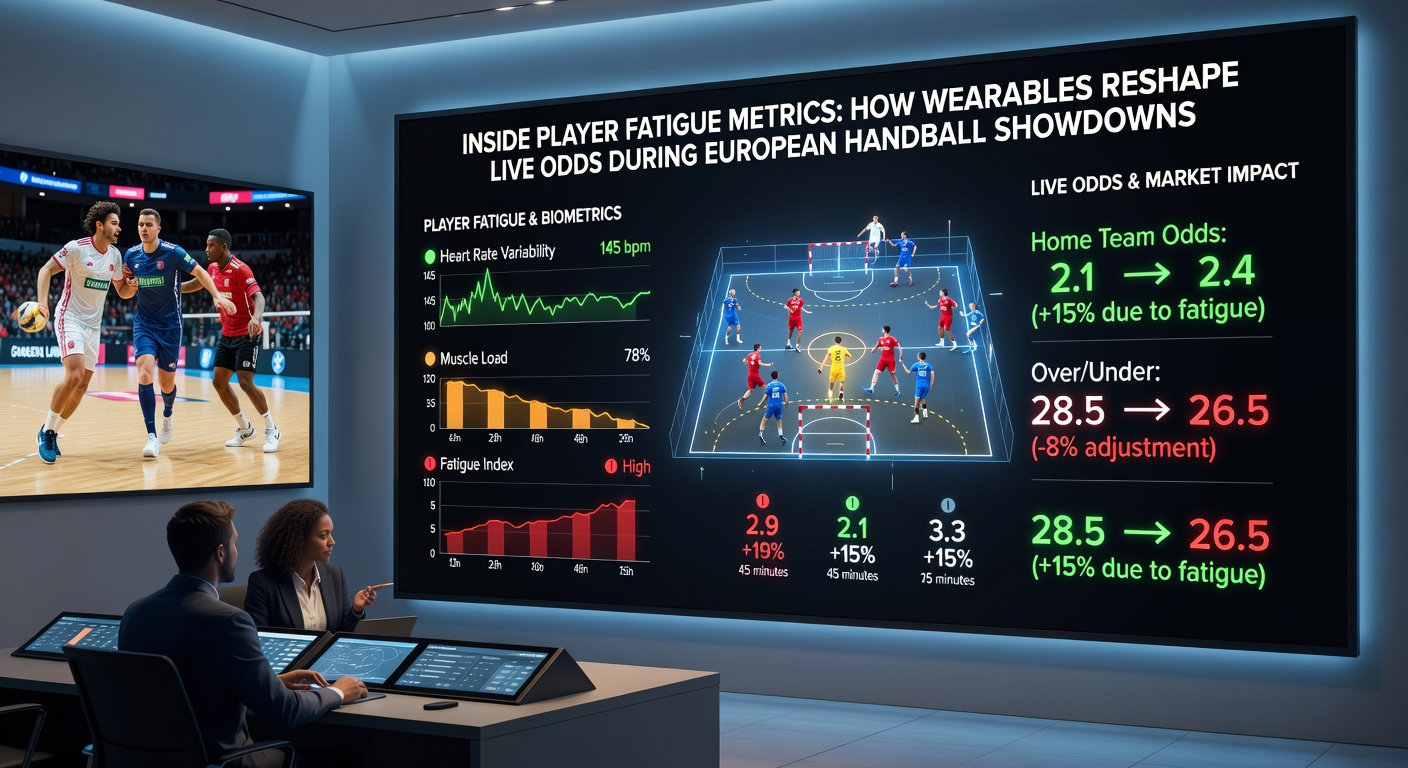
European handball competitions have seen steady integration of wearable devices that monitor player metrics such as heart rate variability, acceleration loads, and recovery times, and these systems now feed directly into the algorithms used by odds compilers for live betting adjustments. Data collected from chest straps and GPS units allows teams and analysts to quantify fatigue levels in real time, and this information influences how bookmakers shift probabilities during matches that extend into extra time or feature rapid substitutions.
Data Collection Methods Used in Professional Leagues
Clubs participating in the EHF Champions League and national leagues equip players with sensors that record dozens of variables every second, and these streams combine with video analysis to produce fatigue scores that update throughout each half. Researchers at institutions across Scandinavia have documented how high-intensity bursts in the first thirty minutes correlate with measurable drops in sprint speed later, and such patterns help explain why certain teams experience sudden drops in scoring efficiency. Observers note that the same datasets reach betting platforms within minutes, allowing odds on next-goal markets or total points to reflect current player conditions rather than relying solely on pre-match form.
Impact on In-Play Odds During Key Matches
Live odds adjust dynamically when fatigue indicators spike for key playmakers, and this has become especially visible in matches where one side maintains a high press for extended periods. For instance, during the May 2026 EHF Final Four events, several games featured rapid movements in handicap lines once wearable data revealed elevated lactate thresholds among starting lineups. Bookmakers integrate these signals alongside traditional statistics such as possession time and shot accuracy, creating tighter spreads that respond to on-court developments with greater precision than older models permitted.
What's interesting is how substitution patterns now carry extra weight in the eyes of traders, since devices flag when a player's output declines below established baselines for that individual. Teams that rotate early often avoid sharp swings in live probabilities, and this reality has prompted analysts to track bench energy levels with equal attention to starting rosters. European federations have published aggregate reports showing average distance covered per player has risen over recent seasons, and those increases make recovery monitoring more critical for both coaching staffs and those setting in-play lines.
Regional Differences in Technology Adoption
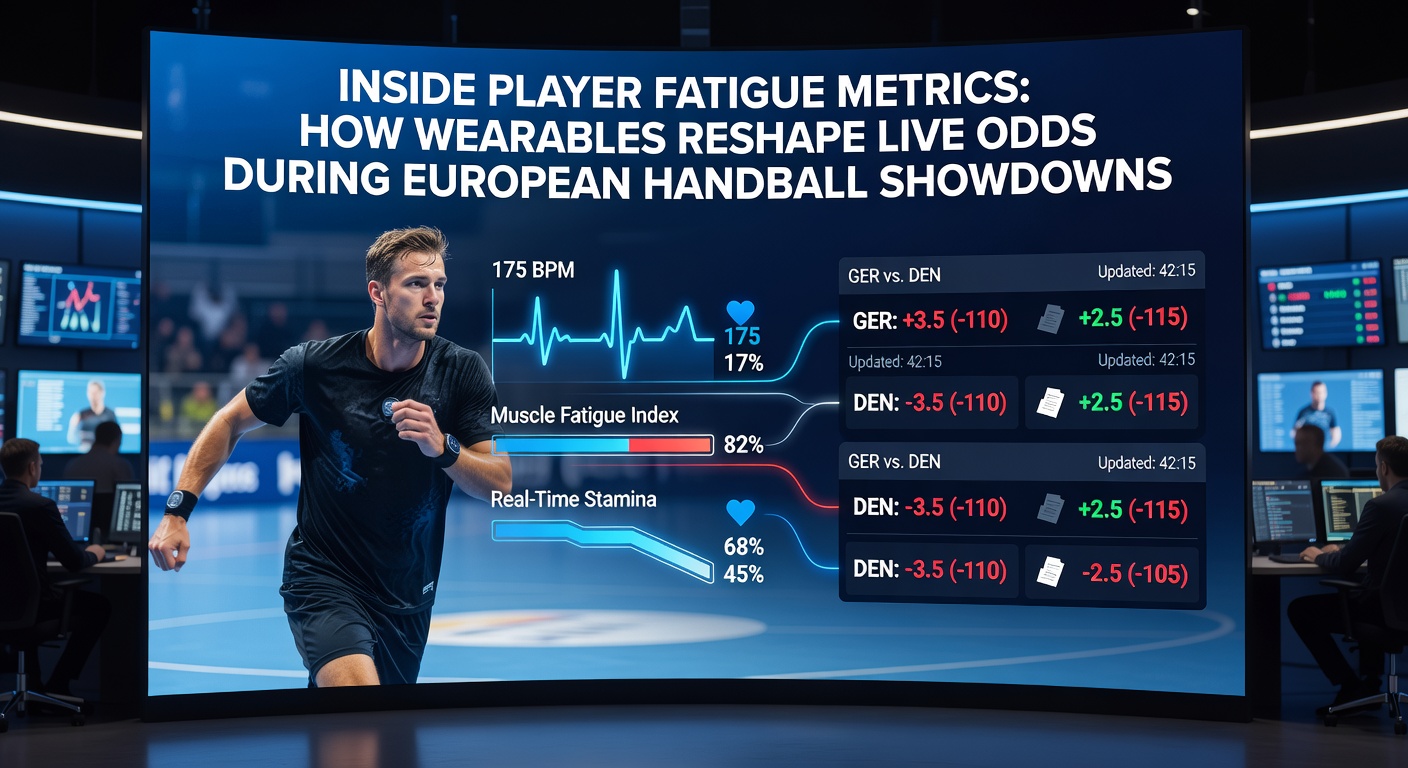
Scandinavian and German clubs led early adoption of advanced wearables, yet leagues in France and Spain have accelerated implementation since 2024, and this broader rollout has produced more consistent data pools for cross-border analysis. Studies conducted by sports science groups in Germany indicate that teams using continuous monitoring reduce non-contact injuries by measurable margins, and those findings carry over into betting contexts where fresher squads tend to hold lines more effectively in the final ten minutes. The result appears in narrower live odds gaps when fatigue data remains balanced between opposing sides.
But here's the thing: not every competition mandates the same level of disclosure, so some markets still operate with partial information even as technology spreads. European regulatory bodies outside the UK, including agencies in Denmark and the Netherlands, have begun examining how performance data intersects with gambling integrity standards, and these reviews focus on ensuring that access remains equitable among licensed operators. Figures from industry reports show a steady rise in the percentage of handball matches where live betting volume exceeds pre-match stakes, and the correlation with detailed fatigue metrics stands out as one contributing factor.
Future Developments Expected by 2027
Manufacturers continue refining sensor accuracy and battery life, and several prototypes now transmit recovery predictions directly to coaching tablets without requiring post-match downloads. Academic papers from universities in Norway and Portugal explore machine-learning models that combine wearable outputs with historical match data, and early tests suggest these tools can forecast scoring droughts with improved reliability. Observers tracking betting trends report that platforms incorporating such models see reduced volatility in certain prop markets, particularly those centered on individual player contributions.
Those who've studied this space know the shift toward integrated data ecosystems creates new benchmarks for what constitutes a fair live market. European handball federations have started pilot programs that share anonymized fatigue aggregates with media partners, and these initiatives may soon extend to responsible gambling tools that flag extended high-intensity periods for viewers. The landscape continues evolving as more clubs standardize protocols ahead of major tournaments scheduled for late 2026 and beyond.
Conclusion
Wearable technology has moved from optional training aid to core component of both performance strategy and live odds calculation in European handball, and the pace of integration shows no sign of slowing. Data streams now influence everything from substitution timing to market movements, creating a tighter link between physical condition and betting outcomes than existed even five years earlier. As leagues refine their approaches and additional sensors come online, the relationship between fatigue metrics and in-play probabilities will likely deepen further across the continent.