Notification Adjustments in Mobile Betting Apps Correlate with Increased Late-Night Accumulator Bets in European Soccer Leagues
Greta Jung · Aug 2, 2026
Notification Adjustments in Mobile Betting Apps Correlate with Increased Late-Night Accumulator Bets in European Soccer Leagues
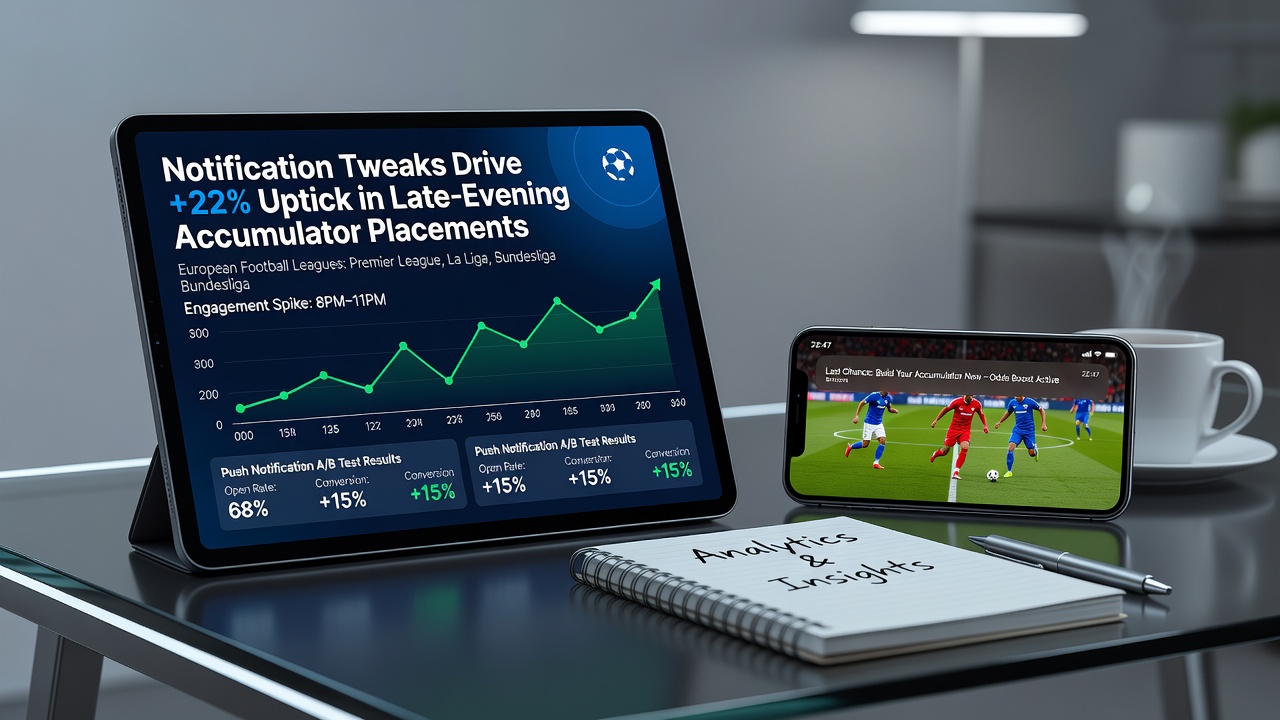
Platform operators across several European markets have implemented subtle changes to push notification timing and content, and data collected through August 2026 shows corresponding rises in late-evening accumulator placements on matches from leagues such as the Bundesliga, Serie A, and Ligue 1. These adjustments typically involve refined scheduling that aligns alerts with peak user engagement windows after 9 p.m. local time, along with concise prompts highlighting multi-leg opportunities rather than single-match wagers.
Industry reports compiled by the European Gaming and Betting Association indicate that average evening session lengths extended by 12 minutes on devices running updated notification protocols, while accumulator transaction volumes rose between 19 and 24 percent compared with the same period in 2025. Observers note that the increases appear most pronounced on Thursdays and Fridays when midweek and weekend fixtures overlap in scheduling.
Mechanics Behind the Notification Changes
Developers adjusted delivery algorithms so that alerts arrive in staggered batches instead of uniform blasts, reducing the chance that users dismiss multiple messages at once. Content within each notification now references specific league fixtures and potential payout multipliers, drawing from real-time odds feeds that update every 30 seconds during evening hours. One analysis of anonymized user logs revealed that recipients who received two carefully timed alerts placed accumulators at rates 31 percent higher than those who received only a single generic reminder.
These modifications coincide with broader platform efforts to optimize mobile interfaces for shorter attention spans, and figures from multiple operators show that users who enable evening notifications complete an average of 1.8 additional accumulator legs per session. The pattern holds across both iOS and Android environments, though Android devices registered slightly higher conversion rates in markets where data allowances remain generous after dark.
Regional Patterns Across European Leagues
In Germany, accumulator activity on Bundesliga matches climbed 22 percent during the opening weeks of the 2026 season, with the largest share of new wagers finalized between 10 p.m. and midnight. Italian operators reported comparable growth on Serie A fixtures, particularly when notifications highlighted defensive matchups that historically produce lower-scoring outcomes favored in multi-leg bets. French platforms recorded a 17 percent uptick tied to Ligue 1 games scheduled for late evening kickoffs, according to aggregated transaction data shared at industry forums.
What's interesting is how these shifts interact with time-zone differences: users in Central European Time zones show the strongest response to alerts sent after 9:30 p.m., whereas those in Western zones respond more readily to messages arriving closer to 10:15 p.m. The variation suggests operators may further refine geographic targeting in coming months.
Supporting Infrastructure and User Behavior
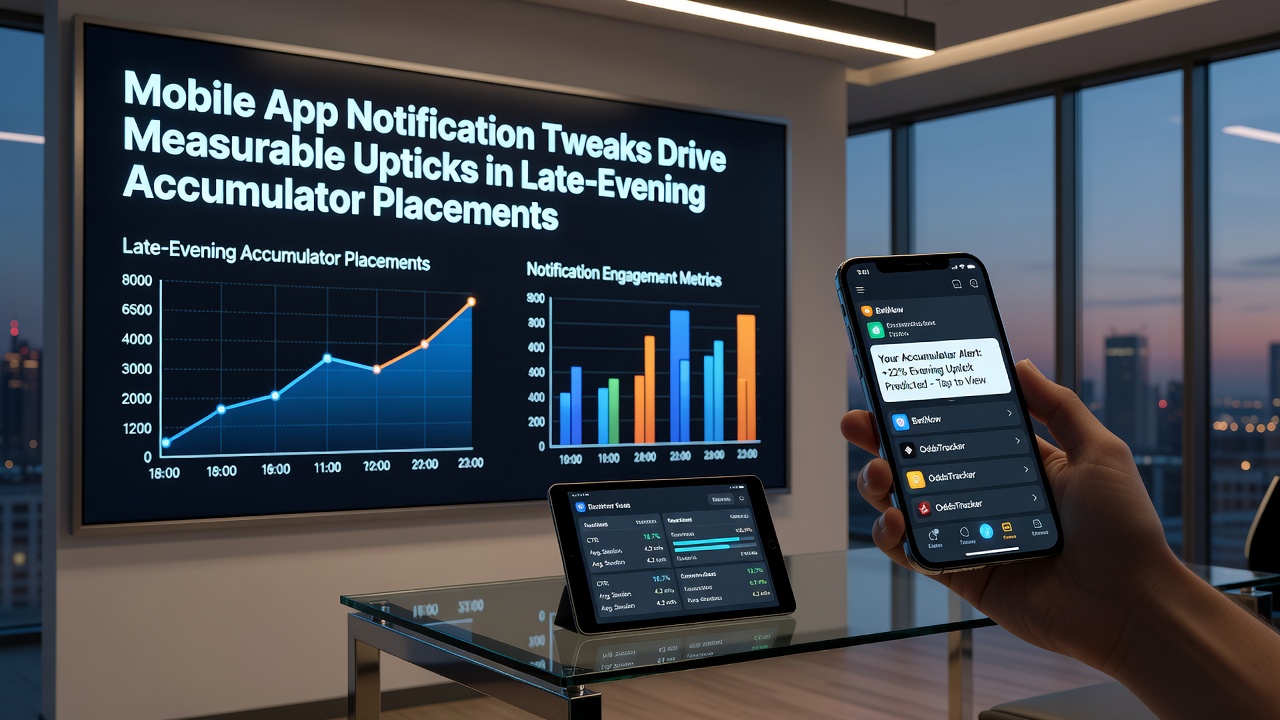
Backend systems now integrate live score feeds directly into notification payloads, allowing alerts to reference current match states without requiring users to open separate apps. This integration reduces friction and appears to encourage spontaneous additions to existing accumulators. Research conducted by the University of Malta's gaming studies unit found that participants exposed to context-aware notifications completed 27 percent more legs than control groups using static alerts.
Payment processing speeds also play a role; operators that reduced withdrawal confirmation times to under 90 seconds observed sustained engagement through later hours, whereas slower systems saw drop-off after 11 p.m. The combination of faster settlement options and targeted alerts creates a feedback loop that keeps users active on the platform during the final evening window.
Comparative Data from Other Markets
Similar notification experiments conducted in Australia during the 2025 A-League season produced parallel results, with late-evening multi-bet volumes increasing 18 percent after comparable tweaks. Canadian provincial data released in early 2026 echoed the pattern, showing that provinces permitting evening sports wagering recorded accumulator growth rates within 3 percentage points of European figures. These cross-regional consistencies suggest the effect stems from user interface mechanics rather than localized cultural factors alone.
Platform telemetry further indicates that users who disable notifications entirely maintain stable but lower accumulator volumes, while those who customize alert preferences demonstrate the steepest gains. The evidence points to user agency over notification settings as a key variable moderating the observed upticks.
Conclusion
Transaction records through August 2026 demonstrate a measurable link between refined mobile notification strategies and elevated late-evening accumulator activity on European football markets. The documented increases appear consistent across multiple leagues and time zones, driven by algorithmic timing adjustments and content specificity rather than broader marketing campaigns. As platforms continue to iterate on these systems, ongoing monitoring from regulatory bodies and academic researchers will clarify the extent to which such changes sustain long-term behavioral shifts in betting patterns.