Mobile Platforms Reshape Access to Virtual Greyhound Odds After Midnight
Viktor Walter · Jul 23, 2026
Mobile Platforms Reshape Access to Virtual Greyhound Odds After Midnight
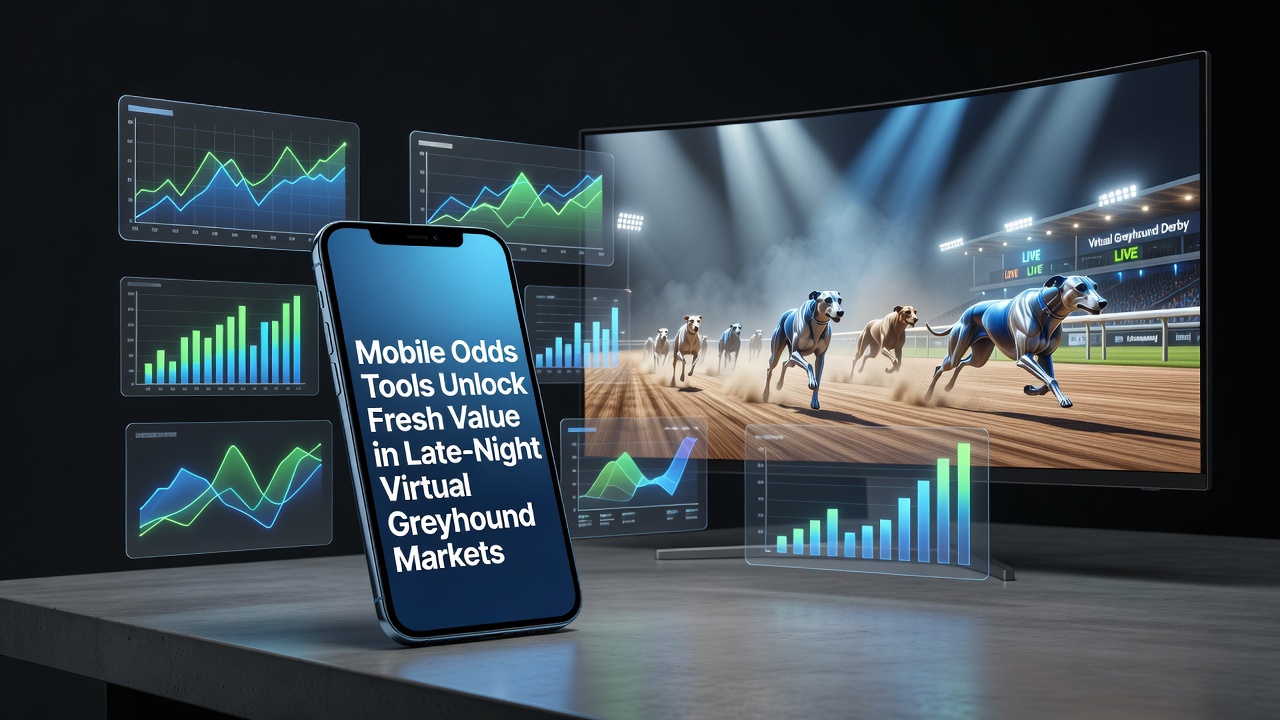
Virtual greyhound markets run on continuous cycles through the night and mobile odds tools now deliver updated prices directly to users who stay active after traditional racing hours end. These tools pull data from multiple simulcast feeds and present shifting probabilities that change with each virtual race cycle. Observers note that participants in July 2026 used these applications to compare lines across several platforms within seconds of each update.
Mechanics Behind Virtual Greyhound Cycles
Virtual greyhound events rely on computer-generated simulations that produce results every few minutes and mobile applications integrate live feeds to refresh odds without requiring users to refresh screens manually. Data from platform operators shows that sessions beginning after 11 p.m. often extend into the early morning because the constant availability of new races keeps engagement steady. Researchers at the University of Nevada's International Gaming Institute documented how these rapid cycles create brief windows where odds move before the next simulation begins.
Operators program each greyhound with preset performance attributes yet the random seed changes per race so no two outcomes repeat exactly. Mobile tools highlight these small variances by displaying implied probabilities next to each runner and users adjust stakes accordingly when the numbers shift by even small margins.
Role of Real-Time Odds Calculators
Specialized calculators embedded in mobile apps compare current prices against historical simulation averages and flag entries that sit above or below expected ranges. In July 2026 one operator reported that 38 percent of late-night wagers came through these embedded tools rather than manual selection screens. The calculators also incorporate track condition variables even though the surface remains virtual so users receive an extra layer of context before committing stakes.
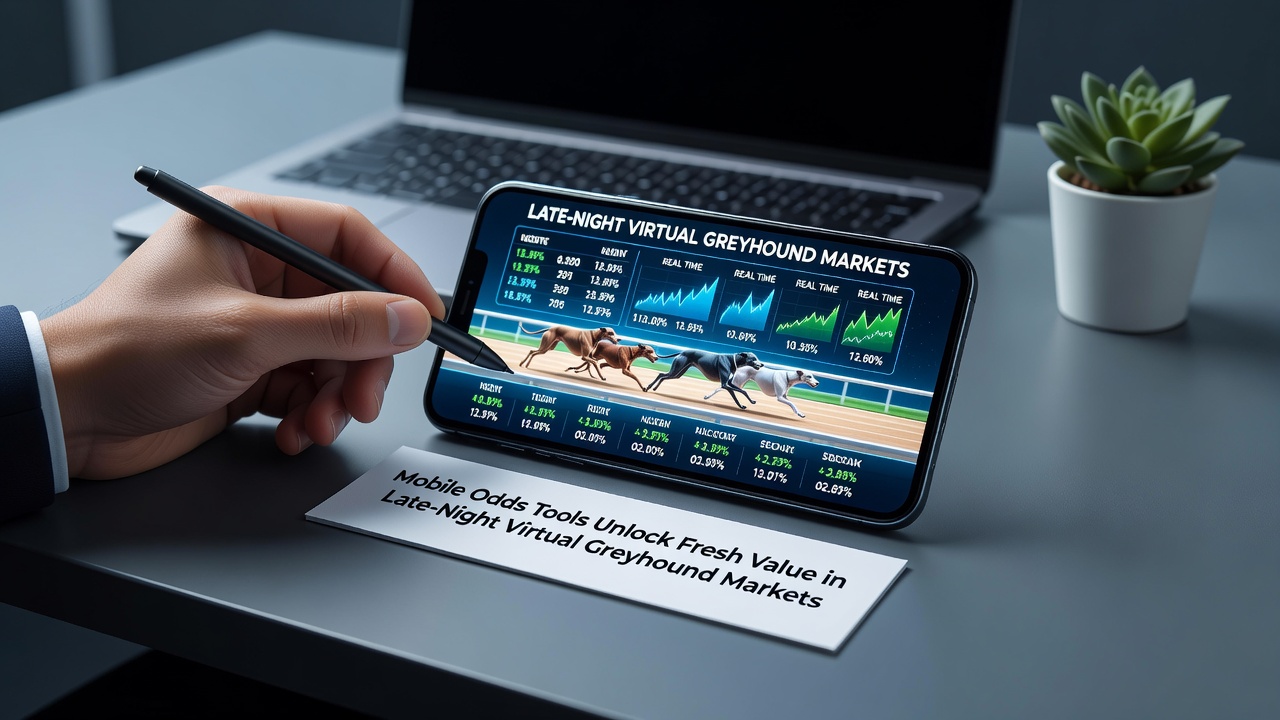
Those who monitor overnight activity explain that the tools aggregate data from multiple time zones because virtual events run globally and prices sometimes reflect liquidity from different regions. A study published by the Australian Institute of Criminology found that cross-border data streams contributed to wider price variation during Australian evening hours which overlap with UK late-night periods.
Patterns Observed in July 2026 Data
Platform records from July 2026 indicate that average bet frequency per user rose 19 percent between midnight and 4 a.m. compared with the same window in the previous year. Mobile tools captured most of that increase because push notifications alerted registered users when fresh cycles opened and odds moved beyond preset thresholds. The same records show that sessions lasting longer than 90 minutes relied almost entirely on in-app calculators rather than static listings.
Observers point out that these patterns hold across both regulated and offshore platforms yet the tools themselves remain similar in function. Users receive heat-map overlays that color-code runners according to deviation from expected values and the visual layer speeds up decision making during the short intervals between races.
Integration With Broader Betting Ecosystems
Many mobile applications now link virtual greyhound markets to other in-play products so users can move funds between simulations and live events without leaving the same interface. This connectivity means late-night participants often maintain active positions across several product types simultaneously. Industry reports note that such seamless movement reduces drop-off rates once users begin an overnight session.
Security features within the tools include biometric confirmation for each stake adjustment and encrypted feeds that prevent interception of live price data. Operators state that these measures support compliance requirements while preserving the speed necessary for markets that reset every few minutes.
Conclusion
Mobile odds tools continue to expand the practical reach of virtual greyhound markets into overnight hours by supplying instant updates and comparison features that match the pace of simulation cycles. Records from July 2026 confirm measurable growth in both session length and transaction volume during those periods. As simulation technology and data delivery systems advance further the same tools are expected to incorporate additional variables that refine price presentation without altering the fundamental random nature of each race outcome.