Mobile Data Platforms Shift the Landscape of Live Football Odds Comparison in Evening Fixtures
Viktor Walter · Jul 19, 2026
Mobile Data Platforms Shift the Landscape of Live Football Odds Comparison in Evening Fixtures
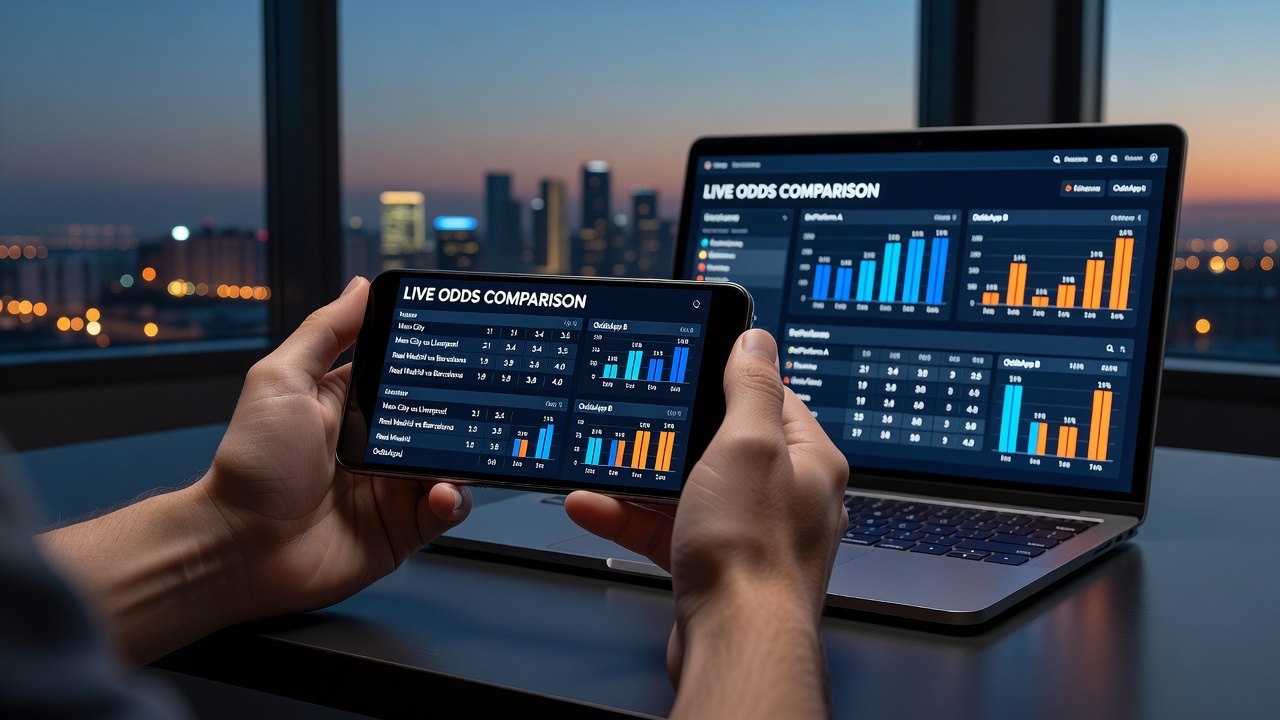
Evening football fixtures have long drawn substantial attention from bettors seeking real-time updates, yet the introduction of specialized mobile data tools has altered the mechanics of odds comparison across competing platforms in measurable ways. These applications aggregate live pricing from various operators into unified dashboards, allowing users to monitor shifts without switching between separate sites or applications. Data from industry reports in July 2026 shows increased adoption rates during prime-time matches, with users accessing multiple sources simultaneously through streamlined interfaces that pull from APIs and market feeds.
Core Features Driving the Change
Modern mobile tools incorporate algorithms that scan dozens of bookmakers for discrepancies in live odds, highlighting the most favorable lines for specific events such as goal scorers or match outcomes. Users receive push notifications when spreads widen or tighten during key moments, which reduces the time spent manually refreshing pages. According to analyses from the European Gaming and Betting Association, integration of cloud-based data streams has enabled sub-second updates that align with match events broadcast on television and streaming services.
These platforms often include filtering options that sort odds by payout percentages, bookmaker reliability scores, and historical accuracy metrics. Observers note that evening fixtures, which typically feature higher viewership numbers, benefit particularly because liquidity increases across markets and price movements occur more frequently than in daytime contests. One study from a Canadian research institution found that participants using comparative tools completed an average of 3.2 more transactions per match than those relying on single-platform access.
Impact on User Behavior During Peak Hours
Patterns emerging from July 2026 data indicate that mobile comparison applications see peak downloads and session lengths between 7 PM and 11 PM local time in major European markets. Bettors who previously committed to one operator now distribute activity across several based on instantaneous pricing advantages. This distribution appears in volume statistics reported by platform providers, where cross-site activity rose notably during high-profile league and cup games.
Researchers at academic centers tracking digital gambling trends have documented how these tools influence decision speed. Participants in controlled observations switched between three or more bookmakers within single fixture windows when equipped with aggregation software, compared to fewer switches without it. The tools also log user preferences over time, suggesting customized alerts that match individual betting histories rather than generic notifications.
Technical Infrastructure Behind the Tools
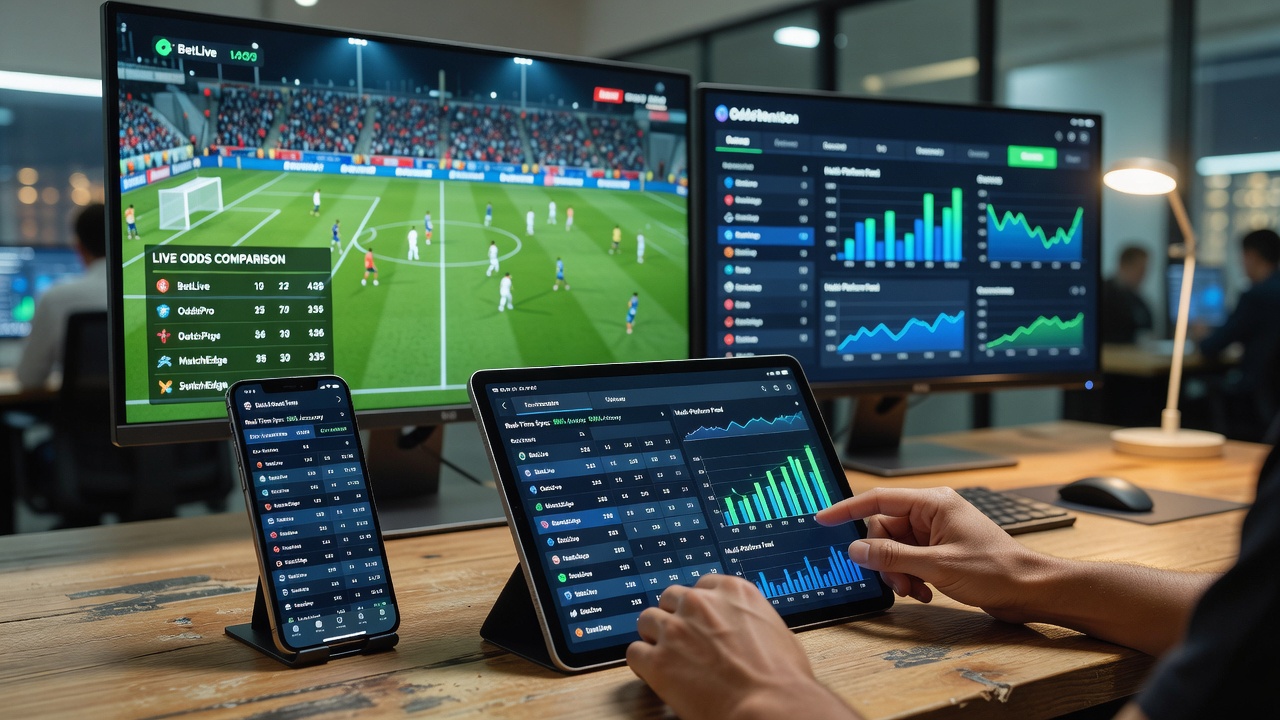
Behind the scenes, these mobile solutions rely on partnerships with data providers that supply standardized feeds from betting exchanges and traditional bookmakers. Secure API connections ensure that odds remain current while complying with regional licensing requirements outside the UK framework. Encryption protocols protect transaction details during rapid comparisons, and developers have incorporated machine learning models to predict likely price movements based on in-game statistics such as possession and shot counts.
Compatibility extends across operating systems, with versions optimized for both iOS and Android devices to handle varying screen sizes and network conditions common during evening commutes or home viewing. Battery optimization features allow prolonged sessions without excessive drain, addressing a practical barrier identified in earlier user surveys. Figures from Australian regulatory bodies monitoring digital services reveal that tools incorporating these efficiencies retain higher monthly active user counts through the summer months when football schedules continue across multiple continents.
Regulatory and Market Context in 2026
Regulators in various jurisdictions have begun examining how aggregated comparison tools interact with responsible gambling measures. Some require operators to display clear risk warnings within the apps themselves, while others focus on ensuring that data feeds originate only from licensed entities. Industry organizations such as the International Betting Integrity Association have issued guidelines encouraging transparency in how odds are sourced and ranked within these interfaces.
Market expansion continues as new entrants develop niche features, including integration with wearable devices that deliver brief updates during live matches. Evidence from university-led papers suggests that the presence of multiple comparison options correlates with broader participation rates among younger demographics who favor mobile-first experiences. Evening fixtures remain central because they coincide with widespread availability of high-speed mobile networks in urban areas.
Conclusion
Mobile data tools have established a consistent role in facilitating live odds comparison across football platforms, supported by ongoing technical refinements and data availability through 2026. Usage statistics and behavioral studies continue to track how these applications shape engagement patterns during evening matches, with infrastructure improvements sustaining their functionality across regions. As platforms evolve, the emphasis remains on accurate, timely information delivery that aligns with match dynamics and user preferences.