Greyhound Surface Conditions: How Track Variations Drive Starting Price Fluctuations at British Venues
Yara Schmidt · May 28, 2026
Greyhound Surface Conditions: How Track Variations Drive Starting Price Fluctuations at British Venues
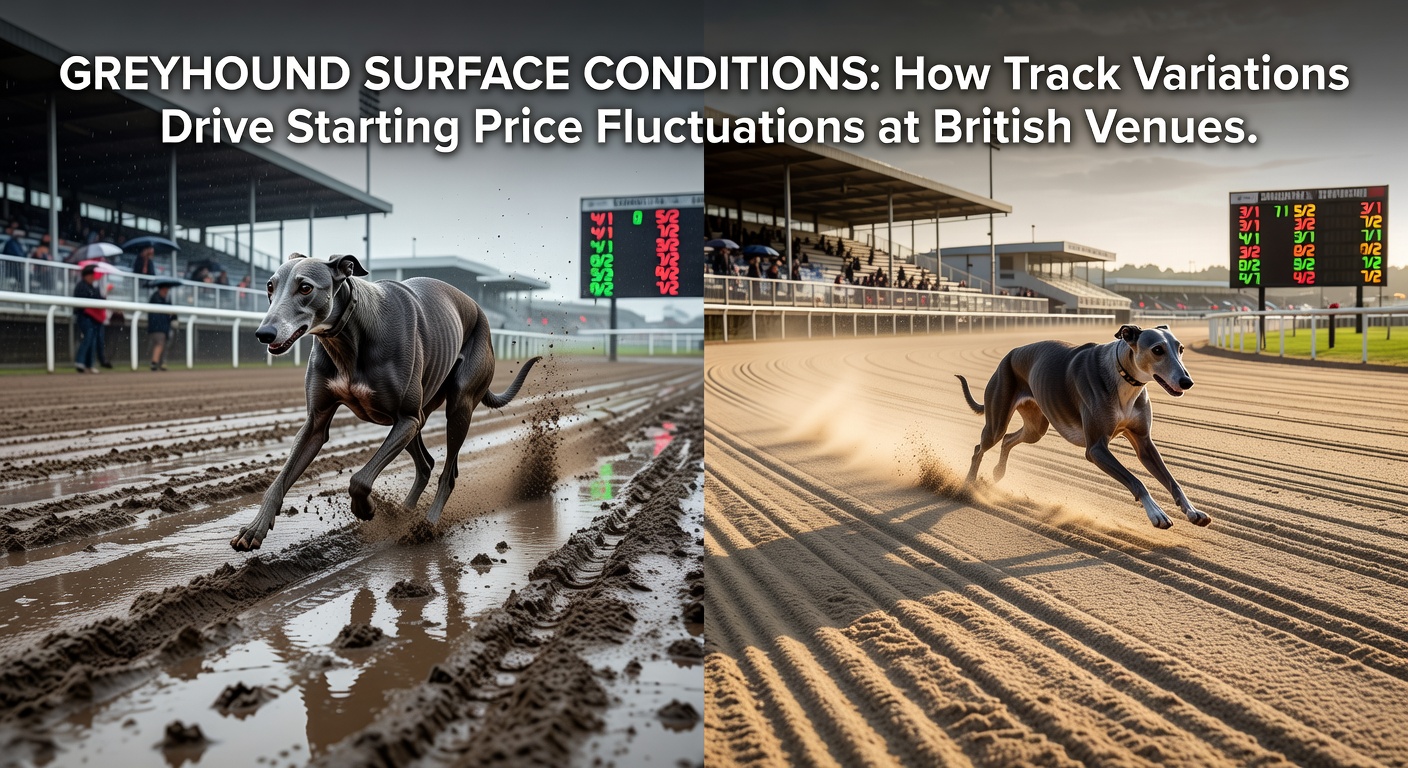
Track surfaces at British greyhound venues range from traditional sand compositions to all-weather synthetic blends, and these differences create measurable impacts on race times along with starting price movements. Data from multiple stadiums shows that slight variations in moisture retention and particle density alter stride patterns, which in turn prompt bookmakers to recalibrate odds before each meeting.
Understanding Surface Types Across Key Venues
Venues such as Romford, Crayford and Sheffield maintain distinct base materials that respond differently to seasonal rainfall, while Perry Barr and Monmore Green rely on engineered drainage systems designed to stabilize times even during wet spells. Observers note that sand-heavy tracks tend to slow dramatically once water content exceeds certain thresholds, whereas synthetic options hold firmer footing and produce more consistent sectional splits.
Research indicates these physical characteristics directly feed into pre-race calculations used by odds compilers. When a track records slower average times over several trials, layers widen the field in betting markets to account for reduced favorite reliability, and this adjustment process repeats at each fixture.
How Weather Alters Times and Odds
During May 2026, several fixtures recorded notable time differences after overnight showers, with winning margins stretching by up to 0.25 seconds on affected circuits. Bookmakers responded by lengthening prices on early-paced runners that typically benefit from firmer ground, while shortening quotes for stayers expected to handle softer conditions more effectively.
Those who study sectional data observe that trap-one runners often gain an edge on drying surfaces because the rail path firms quickest, yet the same position can become a liability after prolonged rain when inside lanes hold extra moisture. Such shifts force rapid recalibration of starting prices, sometimes within minutes of final declarations.
Bookmaker Adjustments and Market Reactions
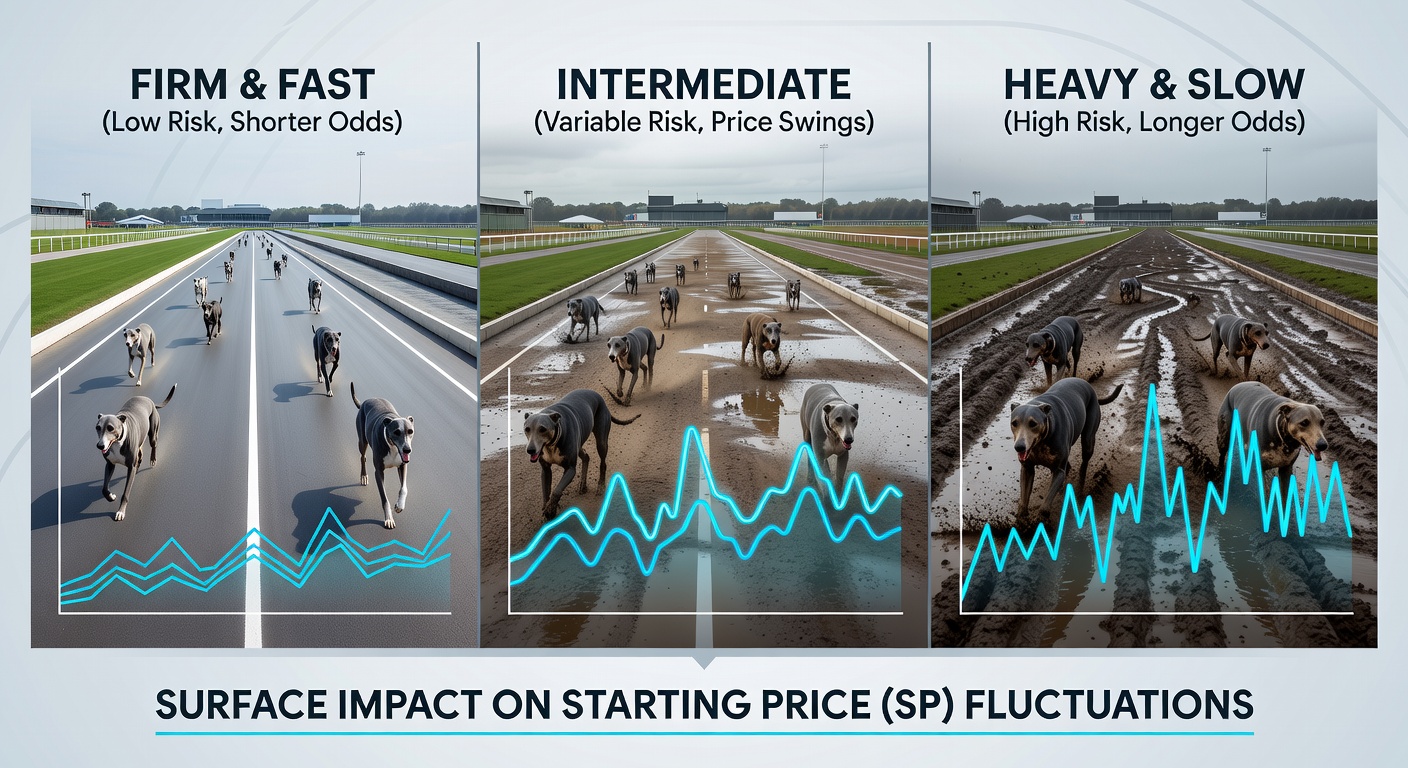
Compilers track historical performance across each surface variant and apply algorithms that factor in going descriptions issued by clerks. When official reports change from “fast” to “good to soft,” layers routinely move entire fields by several points in the minutes before the off, creating noticeable volatility in starting price returns.
Industry reports from Racing Australia highlight parallel effects in other jurisdictions, where surface moisture levels correlate strongly with dividend fluctuations. British operators apply similar logic, although local track geometries introduce additional variables that further influence market movements.
Regional Differences and Their Betting Implications
Northern tracks such as Newcastle and Sunderland tend to retain moisture longer due to prevailing weather patterns, which produces steadier but slower overall times compared with southern venues. Southern circuits, by contrast, often dry out rapidly under wind exposure, leading to sharper price swings as favorites reclaim market prominence once conditions improve.
Studies conducted by the University of Melbourne on canine locomotion under varying substrates confirm that stride length and acceleration rates change measurably with surface firmness, and these biomechanical findings align with timing data collected at British stadia. Layers incorporate such evidence when setting initial tissue before each card.
Case Examples from Recent Meetings
One fixture at a Midlands venue saw starting prices for the leading contender drift from 1.80 to 2.40 after a mid-afternoon shower altered the going description, while an outsider shortened from 8.00 to 5.50 on the expectation that its stamina would prove decisive on the softened surface. Similar patterns emerged at an eastern track where early leaders shortened dramatically once officials confirmed the ground had firmed overnight.
These movements reflect ongoing monitoring rather than speculation, because each venue publishes detailed going reports that compilers cross-reference with trial times recorded earlier in the day. The process repeats across dozens of meetings weekly, generating a steady stream of price adjustments tied directly to surface conditions.
Conclusion
Surface variations continue to shape both race outcomes and the starting prices generated at British greyhound venues. Accurate going assessments combined with historical performance data allow bookmakers to maintain markets that reflect real-time conditions, while bettors who review sectional trends gain clearer insight into where value may appear once weather influences the track.