Digital Interfaces Reshape Accumulator Strategies in Midweek Football Qualifier Markets
Yara Hayes · Aug 27, 2026
Digital Interfaces Reshape Accumulator Strategies in Midweek Football Qualifier Markets
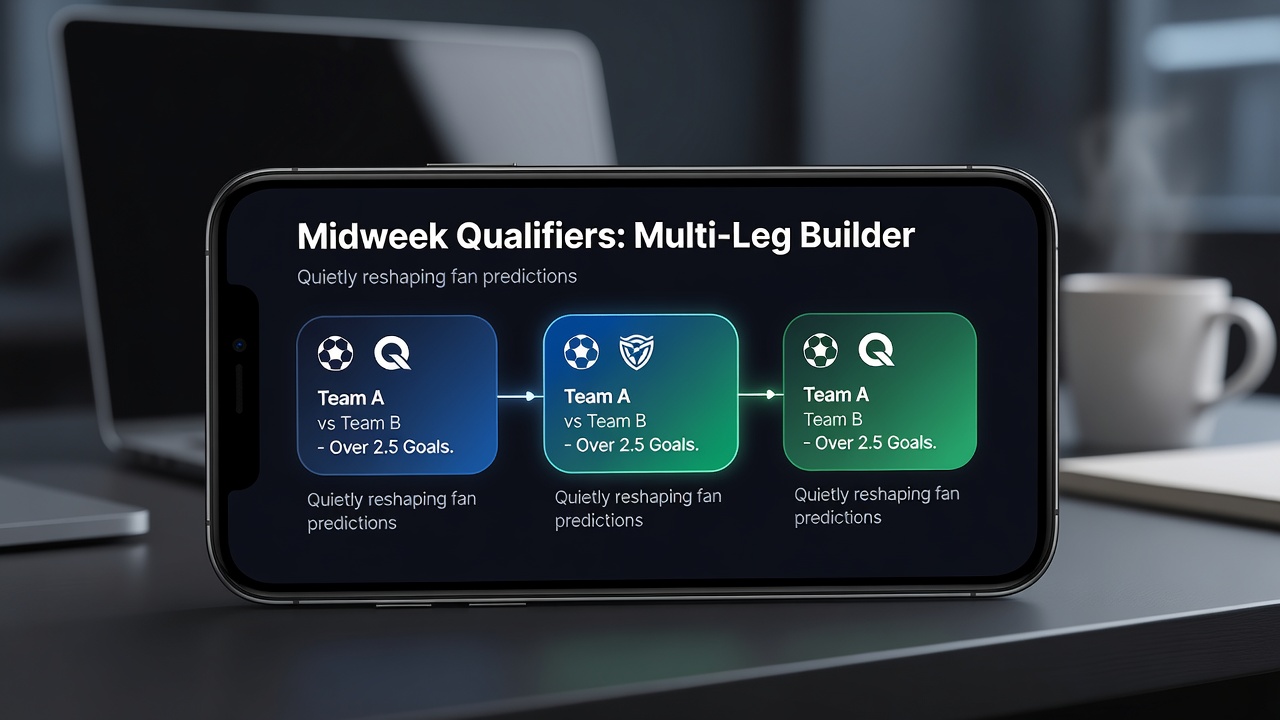
Football qualifiers scheduled for August 2026 have drawn attention to the role mobile app interfaces play in how users construct multi-leg predictions, and data from several platforms indicates increased activity in these markets compared to previous cycles. App developers have introduced features such as drag-and-drop selection panels alongside one-tap leg additions that streamline the process of combining matches from different qualifying groups into single wagers, while users report completing these combinations in fewer steps than earlier versions allowed.
Interface Features and User Patterns
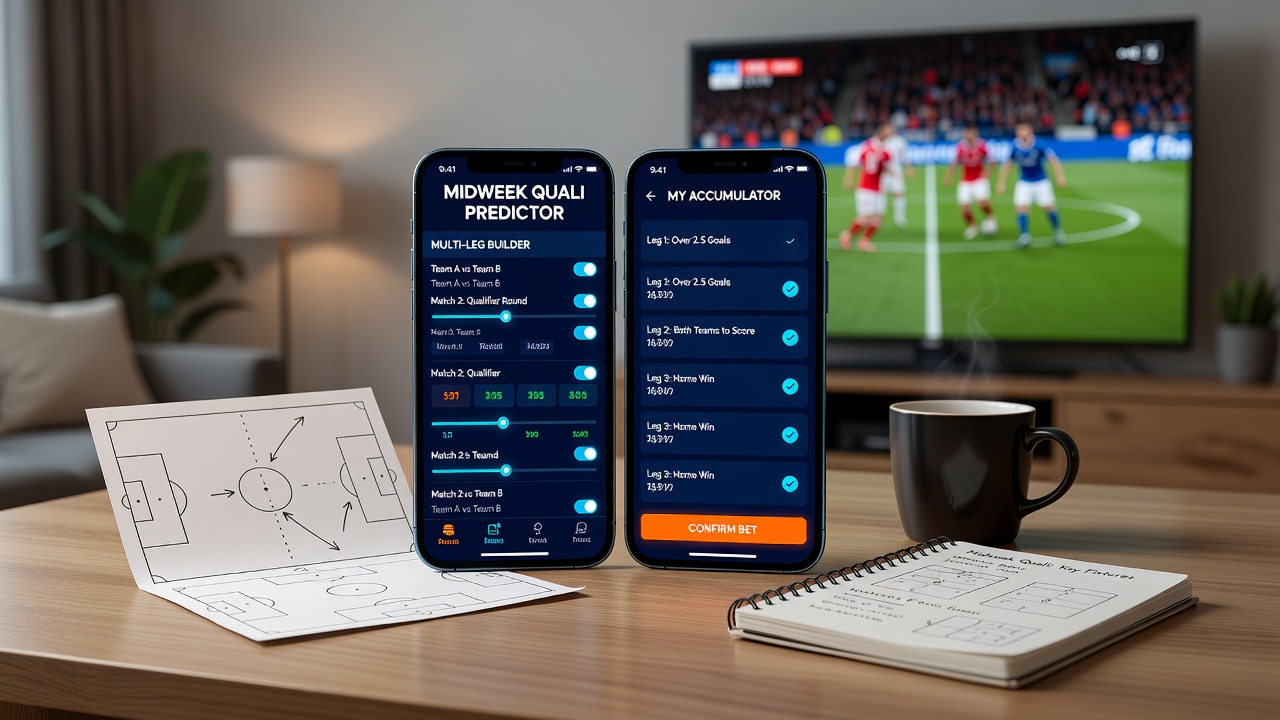
Design elements including collapsible match lists and real-time odds updating within the same screen have become standard across major operators, and researchers tracking user behavior note that these tools correlate with higher volumes of four-leg and five-leg selections during midweek slots. In August 2026 several European qualifying fixtures clustered on Tuesdays and Wednesdays, creating dense schedules that apps now display through calendar-style grids rather than simple chronological feeds, which allows supporters to scan and add legs without leaving the primary prediction view.
Those who study digital gambling interfaces point out that color-coded risk indicators and auto-suggested combinations appear once three legs are selected, and usage statistics reveal these prompts receive frequent taps during qualifier periods. European data collection agencies have documented shifts in session lengths, with average time spent building accumulators rising modestly since the introduction of gesture-based editing tools last year.
Regional Data and Platform Trends
Figures from regulatory bodies in Australia show mobile sessions focused on football qualifiers increased by noticeable margins in the first half of 2026, and similar patterns appear in reports covering Canadian provincial markets where operators must publish interface-related metrics. One study conducted by academic researchers at a European university examined navigation paths and found that users who access quick-filter options for "midweek only" matches tend to add more legs per session than those using standard search functions.
Industry organizations such as the European Gaming and Betting Association have highlighted how standardized API connections between fixture databases and betting apps reduce loading delays, which in turn supports the rapid iteration users perform when refining multi-leg structures. Observers note that these technical improvements coincide with the August 2026 qualifier window, although direct causation remains under ongoing review by multiple oversight groups.
Comparative Usage Across Devices
Tablet versions of the same apps display expanded grids that let users view eight or nine matches simultaneously, and traffic logs indicate higher completion rates for six-leg predictions on larger screens compared with smartphone sessions. Desktop interfaces, by contrast, retain older list-based layouts in many cases, and conversion data suggests fewer complex accumulators originate from those platforms during the same midweek periods.
Additional toggles for live qualification scenarios, such as "need a draw to advance," integrate directly into the prediction builder, and platform analytics show these contextual filters receive steady engagement when matches approach kickoff. Government statistical releases from Canada have tracked parallel growth in multi-leg activity tied to international football calendars, reinforcing the pattern observed elsewhere.
Future Interface Developments
Developers continue testing predictive fill options that suggest statistically common leg pairings based on historical qualifier outcomes, and early rollout data from select markets points to adoption rates above thirty percent among frequent users. These tools operate alongside existing manual controls, preserving user choice while reducing the number of taps required for common combinations.
Trade groups monitoring digital product updates emphasize that accessibility standards now require clear labeling of each leg within an accumulator summary, and compliance reports indicate most major apps have incorporated these requirements ahead of the next major tournament cycle.
Conclusion
Interface refinements in mobile betting applications have aligned with the structure of August 2026 midweek qualifiers to influence how multi-leg predictions are assembled, and available metrics from diverse regulatory and academic sources document measurable changes in user navigation and selection volume. Continued monitoring by international bodies will determine whether these patterns persist across subsequent qualifying rounds and different competition formats.