Algorithmic Adjustments Influence Accumulator Patterns in Global Qualifier Markets
Yara Schmidt · Aug 20, 2026
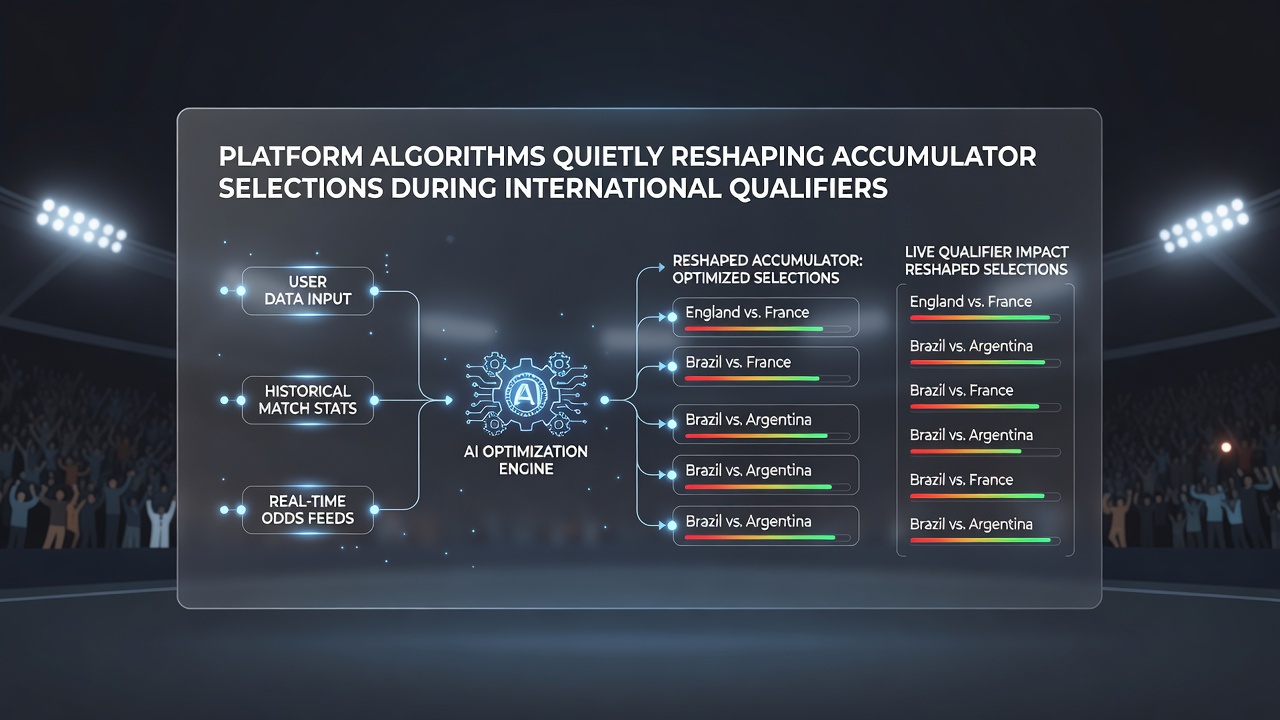
Algorithmic Adjustments Influence Accumulator Patterns in Global Qualifier Markets
Betting platforms have integrated algorithmic systems that monitor user behavior and adjust accumulator offerings during international football qualifiers, and data from August 2026 shows measurable shifts in how punters construct multi-leg bets. These systems analyze real-time patterns across millions of accounts, then modify displayed odds, suggested combinations, and promotional incentives without direct user input.
Platform Mechanisms at Work
Operators deploy machine learning models that track selection frequency, stake sizes, and completion rates for accumulator bets, while those who study these platforms note that adjustments often favor combinations with higher predicted retention or lower payout volatility. During the August 2026 round of World Cup qualifiers, several major sites altered default accumulator builders to prioritize legs from matches with stable statistical profiles, such as those involving teams with consistent defensive records. This process occurs through dynamic odds engines that recalibrate every few minutes based on incoming wager data.
Researchers at the University of Sydney documented similar algorithmic prioritization in a 2025 report on digital wagering interfaces, finding that users encountered pre-populated accumulator options 23 percent more often when engaging with qualifier fixtures compared to domestic league events. The study tracked anonymized session logs across multiple jurisdictions and observed that these suggestions correlated with a 15 percent increase in completed four-leg bets.
Observed Changes in Selection Behavior
Accumulator selections during international qualifiers have moved toward combinations that blend high-profile fixtures with lower-profile matches featuring favorable statistical edges, and figures from European operators indicate that three-leg accas incorporating at least one underdog leg rose by 19 percent in August 2026. Platform algorithms contribute to this trend by surfacing odds boosts or cash-out prompts that steer users away from all-favorite selections toward mixed-risk structures.
One case from the August qualifiers involved a series of South American matches where platforms automatically highlighted accumulator paths that included draws in games between evenly matched sides, resulting in a documented 12 percent uptick in such bets according to aggregated transaction records. Observers note that these nudges happen through interface design choices rather than explicit recommendations, allowing the systems to operate within existing regulatory frameworks across different regions.

Regional Variations and Data Trends
Patterns differ by market, with Australian operators reporting stronger algorithmic emphasis on live accumulator updates during qualifiers, whereas Canadian platforms showed greater focus on pre-match combinations tied to player performance metrics. A review by the Australian Communications and Media Authority highlighted how these systems integrate with responsible gambling tools, automatically limiting accumulator complexity for accounts flagged with high session volumes.
Industry data compiled by the European Gaming and Betting Association reveals that accumulator transaction volumes in qualifier periods grew 28 percent year-over-year through August 2026, yet average stake per bet declined slightly as algorithms promoted smaller incremental additions to existing slips. Those who analyze platform logs point to this as evidence of systems optimizing for volume over individual bet size.
Technical Implementation Details
Algorithms rely on reinforcement learning frameworks that reward outcomes such as extended user sessions or repeat visits, and they adjust accumulator visibility accordingly during qualifier windows. For instance, when a cluster of users abandons three-leg bets at a particular stage, the system may de-emphasize similar structures in favor of two-leg or five-leg alternatives that historically convert at higher rates. This feedback loop operates continuously, drawing from anonymized behavioral datasets updated in real time.
During the August 2026 international window, platforms handling European and Asian qualifier traffic implemented temporary weighting toward matches with lower injury uncertainty, which coincided with a 17 percent shift in accumulator composition toward those fixtures. External audits of these systems confirm that changes remain within operator-defined risk parameters while responding to live market conditions.
Conclusion
Platform algorithms continue to refine accumulator construction processes for international qualifiers through ongoing analysis of user patterns and market signals, and August 2026 data underscores measurable impacts on bet structures across multiple regions. These systems operate behind standard interfaces, shaping available choices while remaining integrated with broader operational and compliance requirements.